6 min read
CY 2027 CMS proposed rule: what agents need to know
Another year, another proposed rule change from CMS. The most pressing, agent-altering marketing changes were covered in a previous insight. But of...
As it goes with the Inflation Reduction Act, CMS announced negotiated prices for 15 high-cost drugs that take effect January 1, 2027. This time around, the savings are substantial. An estimated $12 billion would have stayed in beneficiaries’ pockets if these prices had been in effect in 2024. Droves of beneficiaries stand to save an estimated $685 million in out-of-pocket costs when these prices become effective.
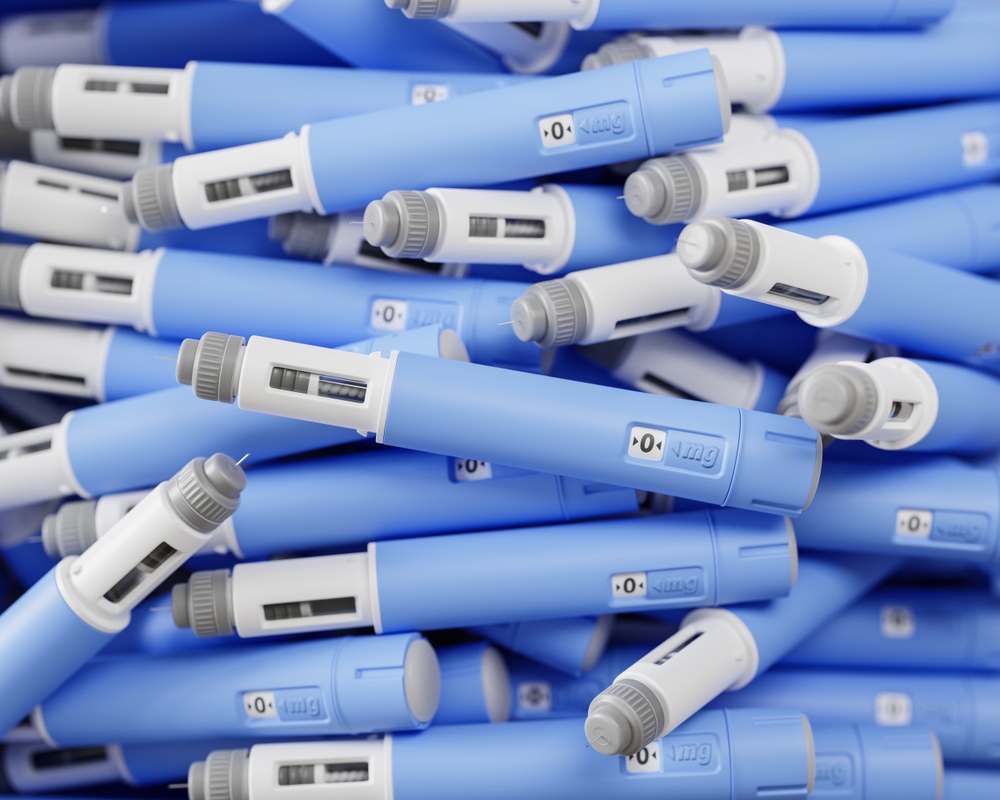
The inclusion of Ozempic, Rybelsus, and Wegovy marks a turning point in Medicare drug coverage. The negotiated 30-day supply price drops from $959 to $274—a 71% discount.
2.3 million Medicare Part D enrollees used these medications in 2024, with over $15 billion in total covered costs. These drugs treat Type 2 diabetes, cardiovascular disease, and obesity. Since obesity is the most common chronic condition for those working over 60, a lower cost could help a decent number of your clients lose 15%-20% of their body weight now that the price is more affordable.
Cost has been the primary barrier to access across the board, but particularly so for those over 65. At an average of $1,300 monthly without insurance, many Medicare beneficiaries either struggled to afford these medications or went without them entirely.
But we’re getting ahead of ourselves. Here’s the whole list:
|
Drug Name |
Commonly Treated Conditions |
Price for 30-day Supply (CY 2027) |
List Price for 30-day Supply (CY 2024) |
Discount off Negotiated Price |
Total Part D Gross Covered Prescription Drug Costs (CY 2024) |
Number of Medicare Part D Enrollees Who Used the Drug (CY 2024) |
|
Ozempic; Rybelsus; Wegovy |
Type 2 diabetes; Type 2 diabetes and cardiovascular disease; Cardiovascular disease and obesity/overweight |
$274 |
$959 |
71% |
$15,161,908,000 |
2,282,000 |
|
Trelegy Ellipta |
Asthma; Chronic obstructive pulmonary disease |
$175 |
$654 |
73% |
$5,296,660,000 |
1,269,000 |
|
Xtandi |
Prostate cancer |
$7,004 |
$13,480 |
48% |
$3,401,099,000 |
35,000 |
|
Pomalyst |
Kaposi sarcoma; Multiple myeloma |
$8,650 |
$21,744 |
60% |
$2,150,644,000 |
30,000 |
|
Ofev |
Idiopathic pulmonary fibrosis |
$6,350 |
$12,622 |
50% |
$2,087,330,000 |
24,000 |
|
Ibrance |
Breast cancer |
$7,871 |
$15,741 |
50% |
$2,036,178,000 |
16,000 |
|
Linzess |
Chronic idiopathic constipation; Irritable bowel syndrome with constipation |
$136 |
$533 |
75% |
$1,982,587,000 |
632,000 |
|
Calquence |
Chronic lymphocytic leukemia/small lymphocytic lymphoma; Mantle cell lymphoma |
$8,600 |
$14,228 |
40% |
$1,703,116,000 |
15,000 |
|
Austedo; Austedo XR |
Chorea in Huntington’s disease; Tardive dyskinesia |
$4,093 |
$6,623 |
38% |
$1,675,170,000 |
27,000 |
|
Breo Ellipta |
Asthma; Chronic obstructive pulmonary disease |
$67 |
$397 |
83% |
$1,426,106,000 |
626,000 |
|
Xifaxan |
Hepatic encephalopathy; Irritable bowel syndrome with diarrhea |
$1,000 |
$2,696 |
63% |
$1,158,988,000 |
105,000 |
|
Vraylar |
Bipolar I disorder; Major depressive disorder; Schizophrenia |
$770 |
$1,376 |
44% |
$1,136,814,000 |
118,000 |
|
Tradjenta |
Type 2 diabetes |
$78 |
$488 |
84% |
$1,128,335,000 |
274,000 |
|
Januvia; Janumet; Janumet XR |
Type 2 diabetes |
$80 |
$526 |
85% |
$1,067,594,000 |
239,000 |
|
Otezla; Otezla XR |
Oral ulcers in Behçet’s Disease; Plaque psoriasis; Psoriatic arthritis |
$1,650 |
$4,722 |
65% |
$1,045,443,000 |
31,000 |
Over 1.9 million Medicare beneficiaries used the respiratory medications in 2024. Another 632,000 used Linzess for digestive issues. Understanding which medications resonate with specific populations helps agents provide relevant information during client conversations.
When meeting with existing clients, discuss how these negotiated prices might affect coverage decisions. The key is helping clients understand which medications are included and what the potential savings look like.
Medicare plans are required by law to include these negotiated drugs in their formularies, so if one of your clients made a selection based on any one of these drugs alone, they now have their options opened up substantially. The negotiated price applies regardless of which coverage phase a beneficiary is in. With the elimination of the coverage gap and the $2,100 out-of-pocket maximum in 2026, and the Part D Prescription Drug Payment Plan, beneficiaries on any of these drugs should have an easier time than ever predicting costs and budgeting effectively.
You will probably be asked one of two questions if your client doesn’t want to switch plans due to the drug price changes. "My current plan already covers this medication. Does this change anything?"
Current out-of-pocket costs will update to the new negotiated prices. Even with current coverage, beneficiaries may be paying significantly more than the new negotiated prices, especially if they haven't met their deductible or are in the initial coverage phase.
"Will my plan drop this medication from the formulary?"
Plans are required to include all 15 negotiated medications, and any of those previously negotiated. This is mandated coverage, not optional.
Of course, you can’t go around asking prospects about what drugs they take. But what you can do is make sure to use your platform to educate the masses about the news. Then, they can schedule time with you if they want to explore more options.
Know the medications and conditions they treat. Understanding which drugs treat which conditions helps you know when to trot out your knowledge.
Make sure you can explain how the savings works. Some medications see modest reductions while others drop by 70-85%. The magnitude of savings varies significantly, and knowing which medications offer the most substantial reductions helps you strategize with clients.
Be prepared for questions, and stay compliant folks! As word gest out, questions will arise, and if you’re the expert there, you can be sure clients will see you as an expert everywhere.
The 2027 Medicare drug negotiations are a boon for those who are on one of these drugs. GLP-1s capture attention due to their popularity and dramatic price reduction, but the other 14 medications affect hundreds of thousands of beneficiaries across diverse health conditions.
Agents who understand these changes thoroughly and can explain them clearly to current clients position themselves as valuable resources in an increasingly complex Medicare landscape. The key is balancing knowledge of the negotiated prices with compliance requirements, ensuring that information reaches beneficiaries appropriately while helping clients make informed decisions during proper enrollment periods.
6 min read
Another year, another proposed rule change from CMS. The most pressing, agent-altering marketing changes were covered in a previous insight. But of...
4 min read
Three out of ten working adults are obese, and another third are overweight. About 42% of adults over 60 are obese. It is the most common chronic...
3 min read
On Thursday, August 15, the government released the results of the first-ever Medicare drug price negotiations. And the results are pretty...